Korean Bibimbap
Highlighted under: Traditional Meals
Korean Bibimbap is a vibrant and nutritious dish that combines rice, vegetables, and a savory sauce for a delicious meal.
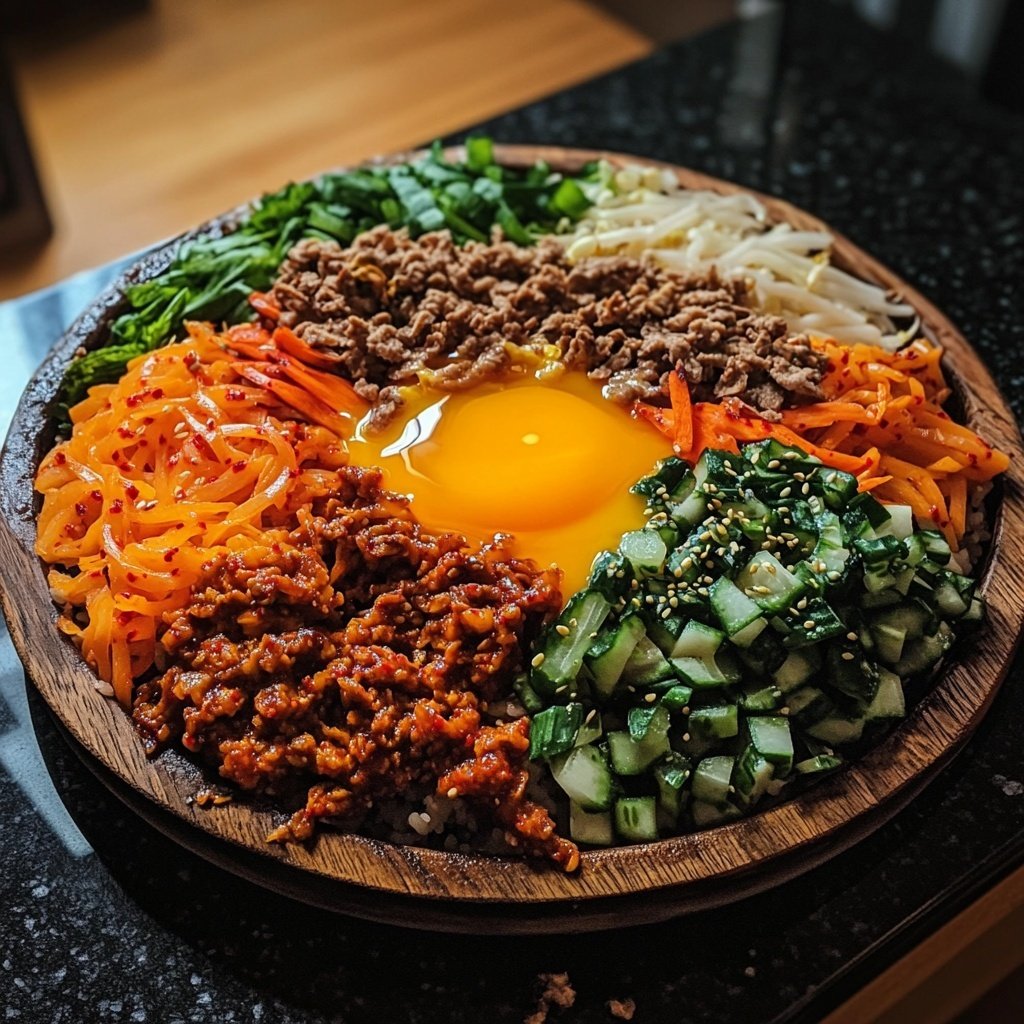
Korean Bibimbap is a traditional Korean dish that translates to 'mixed rice'. It is a colorful and hearty meal that brings together a variety of flavors and textures. This dish is not only visually appealing but also packed with nutrients, making it a perfect choice for a wholesome meal.
Why You'll Love This Recipe
- A harmonious blend of flavors and textures in every bite
- Customizable with your favorite vegetables and proteins
- A satisfying meal that is both healthy and delicious
The Origin of Bibimbap
Bibimbap, which translates to 'mixed rice', is a traditional Korean dish that has been enjoyed for centuries. Its origins can be traced back to the late 19th century, where it was initially a royal dish served to the kings of Korea. Over time, it evolved into a popular meal enjoyed by people from all walks of life, symbolizing harmony and balance.
The dish is not just a feast for the palate but also for the eyes. With its colorful array of vegetables and toppings, bibimbap is often regarded as a work of art on a plate. Each ingredient represents a different color and flavor, making it not only nutritious but also visually appealing.
Nutritional Benefits
Korean Bibimbap is a powerhouse of nutrition. The dish is packed with vitamins and minerals from the variety of vegetables used, such as spinach, carrots, and zucchini. These ingredients are rich in antioxidants, which help combat oxidative stress and promote overall health.
Additionally, the inclusion of eggs provides a good source of protein and healthy fats, while the gochujang adds a spicy kick that can boost metabolism. With the right balance of carbohydrates, proteins, and healthy fats, bibimbap is a well-rounded meal that can support a healthy lifestyle.
Customizing Your Bibimbap
One of the best features of bibimbap is its versatility. You can easily customize this dish based on your personal preferences or dietary needs. Whether you prefer tofu, beef, or chicken, you can add your favorite protein to make it your own. For a vegetarian or vegan option, simply skip the egg and opt for plant-based proteins like tempeh or edamame.
In addition to the classic vegetables, feel free to experiment with seasonal produce or leftovers from your fridge. Bell peppers, mushrooms, or even sweet potatoes can add unique flavors and textures to your bibimbap. This adaptability makes it a fantastic dish for meal prep or family gatherings.
Ingredients
For the Bibimbap
- 2 cups cooked rice
- 1 cup spinach, blanched
- 1 cup carrots, julienned
- 1 cup zucchini, julienned
- 1 cup bean sprouts, blanched
- 2 eggs, fried sunny-side up
- 2 tablespoons sesame oil
- 2 tablespoons gochujang (Korean chili paste)
- Salt to taste
- Sesame seeds for garnish
Feel free to add your favorite proteins such as beef, chicken, or tofu to make this dish even more hearty.
Instructions
Prepare the Vegetables
Blanch the spinach and bean sprouts in boiling water for about 2 minutes, then drain and set aside. Julienne the carrots and zucchini.
Cook the Eggs
In a pan, fry the eggs sunny-side up in sesame oil until the whites are set but the yolks are still runny.
Assemble the Bibimbap
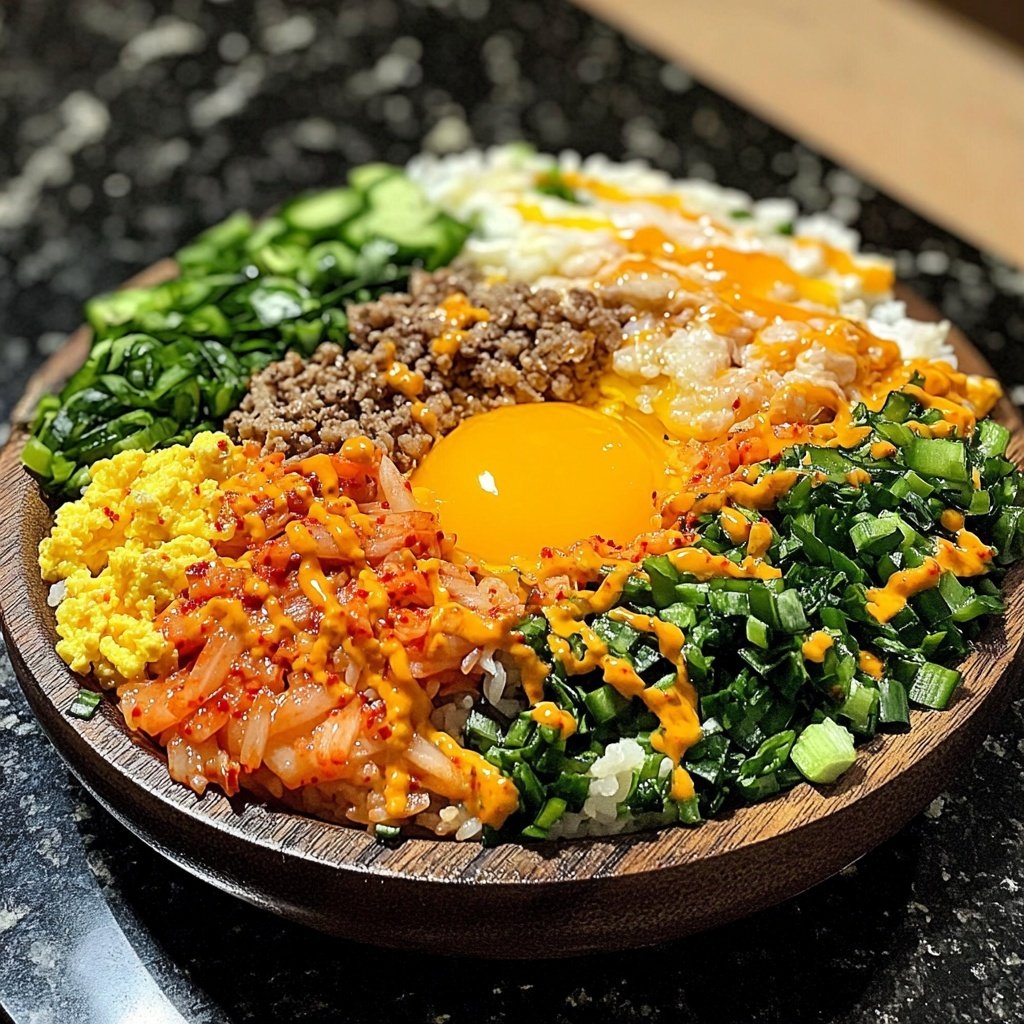
In a bowl, place a serving of rice. Arrange the blanched spinach, carrots, zucchini, and bean sprouts on top of the rice. Add the fried egg in the center.
Add the Sauce
Drizzle sesame oil and gochujang over the vegetables. Season with salt to taste.
Serve
Sprinkle sesame seeds on top and mix everything together before enjoying your delicious bibimbap!
Remember, bibimbap is meant to be mixed, so don’t be shy to combine all the ingredients together before eating!
Pro Tips
- Feel free to customize your bibimbap with seasonal vegetables or proteins of your choice.
Tips for Perfect Bibimbap
To achieve the best flavor and texture in your bibimbap, use short-grain rice, which is stickier and holds together well. This rice variety is traditional in Korean cuisine and will provide the right base for your dish. If you have time, consider cooking the rice in a rice cooker for perfectly fluffy results.
When preparing the vegetables, ensure they are cooked just until tender to maintain their vibrant colors and crunch. Overcooking can lead to a mushy texture that detracts from the overall appeal of the dish.
Serving Suggestions
Bibimbap is traditionally served in a hot stone bowl called a dolsot, which helps keep the dish warm and creates a delightful crispy rice layer at the bottom. If you don't have a dolsot, a regular bowl will work just fine. Just ensure to serve it immediately to enjoy it at its best.
For an extra layer of flavor, consider adding some kimchi on the side. This fermented vegetable dish complements the flavors of bibimbap beautifully and adds a probiotic boost to your meal. You can also serve it with a side of pickled radishes for a refreshing crunch.
Questions About Recipes
→ Can I make bibimbap vegetarian?
Yes, simply omit any meat and add more vegetables or tofu.
→ What type of rice is best for bibimbap?
Short-grain rice is preferred for its sticky texture, but you can use any rice you like.
→ Can bibimbap be made in advance?
You can prepare the vegetables and rice in advance, but it is best to assemble and serve it fresh.
→ What can I use instead of gochujang?
You can substitute gochujang with sriracha mixed with a bit of sugar, but it will alter the flavor.
Korean Bibimbap
Created by: Opal Kensington
Recipe Type: Traditional Meals
Skill Level: Intermediate
Final Quantity: 2 servings
What You'll Need
For the Bibimbap
- 2 cups cooked rice
- 1 cup spinach, blanched
- 1 cup carrots, julienned
- 1 cup zucchini, julienned
- 1 cup bean sprouts, blanched
- 2 eggs, fried sunny-side up
- 2 tablespoons sesame oil
- 2 tablespoons gochujang (Korean chili paste)
- Salt to taste
- Sesame seeds for garnish
How-To Steps
Blanch the spinach and bean sprouts in boiling water for about 2 minutes, then drain and set aside. Julienne the carrots and zucchini.
In a pan, fry the eggs sunny-side up in sesame oil until the whites are set but the yolks are still runny.
In a bowl, place a serving of rice. Arrange the blanched spinach, carrots, zucchini, and bean sprouts on top of the rice. Add the fried egg in the center.
Drizzle sesame oil and gochujang over the vegetables. Season with salt to taste.
Sprinkle sesame seeds on top and mix everything together before enjoying your delicious bibimbap!
Extra Tips
- Feel free to customize your bibimbap with seasonal vegetables or proteins of your choice.
Nutritional Breakdown (Per Serving)
- Calories: 500 kcal
- Total Fat: 20g
- Saturated Fat: 4g
- Cholesterol: 186mg
- Sodium: 600mg
- Total Carbohydrates: 70g
- Dietary Fiber: 6g
- Sugars: 5g
- Protein: 15g